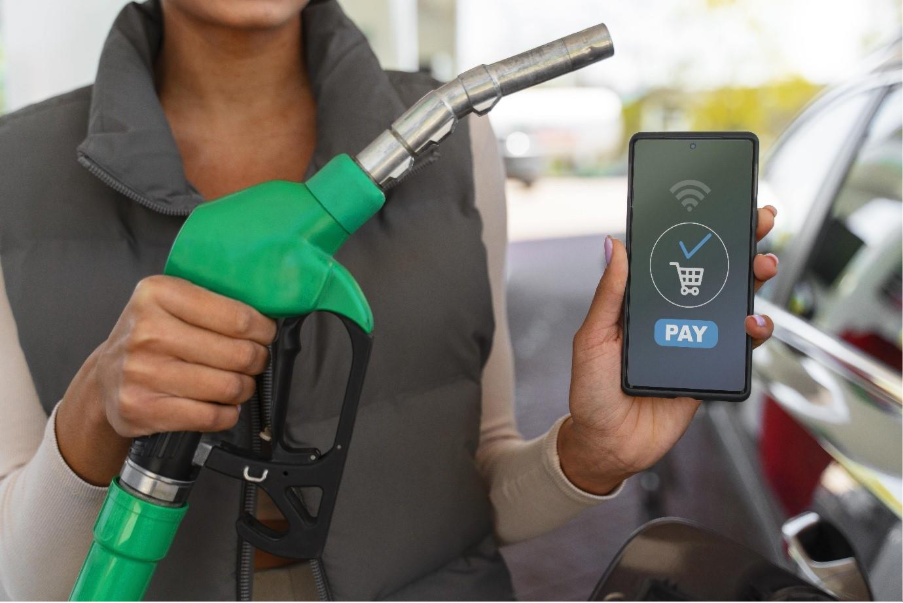
When you tap your card at the pump or scan a loyalty code inside, that tiny exchange of trust highlighted recently in industry conversations by voices such as Nicholas Kambitsis is supported by a chain of systems most motorists never see. Yet as gas stations evolve into convenience hubs with digital payment options, mobile rewards, and connected equipment, their exposure to cyberthreats is growing. This is not a niche IT problem; it’s a front-line business risk that affects owners, employees, and every customer who pays with plastic or a phone.
Why Gas Stations are Attractive Targets
Think about what a typical station is: constant foot traffic, long operating hours, dozens of daily transactions, multiple payment endpoints, and a mix of legacy hardware and newer cloud services. That combination is a magnet for criminals. Card data can be worth a lot on underground markets, and small, underprotected retail operations are often easier to exploit than big banks.
Beyond payments, modern stations run a surprising array of connected systems fuel dispensers, price signs, CCTV, inventory management, and even EV chargers that can act as entry points into networks. Attackers look for the weakest link, and when that link is a poorly segmented point-of-sale (POS) terminal or an internet-connected back office, the consequences can ripple fast.
Common Attack Vectors to Watch For
- POS malware and skimming: Malicious software that captures card data at the terminal or physical/overlay skimmers installed on card readers remain a persistent problem.
- Network intrusions: Weak Wi-Fi passwords, unpatched routers, and default credentials are easy avenues for hackers to gain a foothold.
- Supply-chain vulnerabilities: Third-party vendors that manage loyalty apps, payment processors, or remote support tools can introduce risk if their security is lax.
- Phishing and social engineering: Staff may be tricked into revealing credentials or running malicious attachments that open doors to the network.
- IoT misconfiguration: Unsecured cameras, pumps, or signage that use default passwords can be pivot points into more sensitive systems.
Understanding how attackers operate is the first step toward preventing them.
Practical Steps Every Station Owner Should Take
You don’t need an enterprise security team to make meaningful improvements. Many effective controls are practical and achievable for small-to-medium operators.
- Segment networks: Keep POS systems on a separate network from guest Wi-Fi and building management systems. If one network is compromised, segmentation limits lateral movement.
- Patch and update regularly: Apply updates to terminals, routers, and connected devices on a schedule. Outdated firmware is one of the simplest vulnerabilities to exploit.
- Use strong authentication: Replace default credentials, enforce complex passwords, and enable multi-factor authentication for administrative access.
- Encrypt payment data end-to-end: Work with processors that support EMV chip, point-to-point encryption (P2PE), and tokenization so raw card numbers aren’t exposed on local systems.
- Limit vendor access: Grant third parties the minimum privileges they need and revoke access when it’s no longer required; use jump servers or audited remote support tools.
- Follow PCI-DSS guidance: Even independent stations must comply with payment industry standards; compliance is a baseline for protecting cardholder data.
- Train employees: Regular, concise security briefings on phishing, suspicious devices, and proper handling of cardholder data reduce human risk substantially.
- Monitor and back up: Maintain logs, monitor alerts, and keep secure backups of critical data so you can recover rapidly after an incident.
- Have an incident response plan: Know who to call: the payment processor, a cybersecurity firm, legal counsel, and have communication templates ready for customers and regulators.
These steps not only reduce the chance of a breach; they also limit damage and speed recovery when problems occur.
What Customers Can Do to Protect Themselves?
While station operators bear primary responsibility, drivers and shoppers play a role too. Simple habits make a significant difference:
- Prefer chip (EMV) or contactless payments over swiping magnetic stripes.
- Inspect card readers for loose parts or added equipment that could be skimmers.
- Use mobile wallets where supported; tokenized transactions are harder to harvest.
- Keep payment apps and phone OS up to date.
- Review account statements regularly and report suspicious charges immediately.
Educated customers and vigilant staff together create a much harder target for criminals.
Managing Vendors and Third Parties
Many stations outsource payments, point-of-sale software, or fleet management. These relationships are efficient but create dependencies. When contracting vendors, demand clear security commitments: encryption standards, patch cadences, breach notification timelines, and proof of compliance with relevant standards. Include clauses for audits and require minimal privileges for remote access. If a vendor’s controls are opaque or lax, that’s a legitimate reason to look elsewhere.
The Business Case for Security
Investing in cybersecurity is not just an expense; it protects revenue, reputation, and legal standing. A breach can mean costly remediation, fines, class-action lawsuits, and a long recovery of customer trust. Conversely, stations that handle payments securely earn loyalty; consumers are more likely to return to businesses that treat their data respectfully. In competitive local markets, security can be a differentiator.
Building Resilience Over Time
Security is not a one-off project. Plan for continuous improvement: review controls quarterly, update training annually (or after any incident), and budget for replacements of aging hardware. Start with high-impact, low-cost measures: network segmentation, strong passwords, and staff training, then layer in encryption, vendor assessments, and monitoring. Over time, those incremental steps build a robust posture that scales as the business grows.
Practical Vigilance Protects Everyone
Gas stations are small public square places where customers trust businesses with their time and payment details. Protecting that trust requires practical vigilance, not perfect engineering. By segmenting networks, enforcing basic hygiene, choosing secure payment partners, and training staff, station operators can dramatically reduce risk. Customers, for their part, can make smarter payment choices and report anything unusual.
The good news is that most interventions are affordable and manageable. With a clear plan and steady attention, gas stations can remain convenient, welcoming community fixtures without becoming easy targets. In the digital age, safeguarding the pump is simply good business and good stewardship of customer trust.