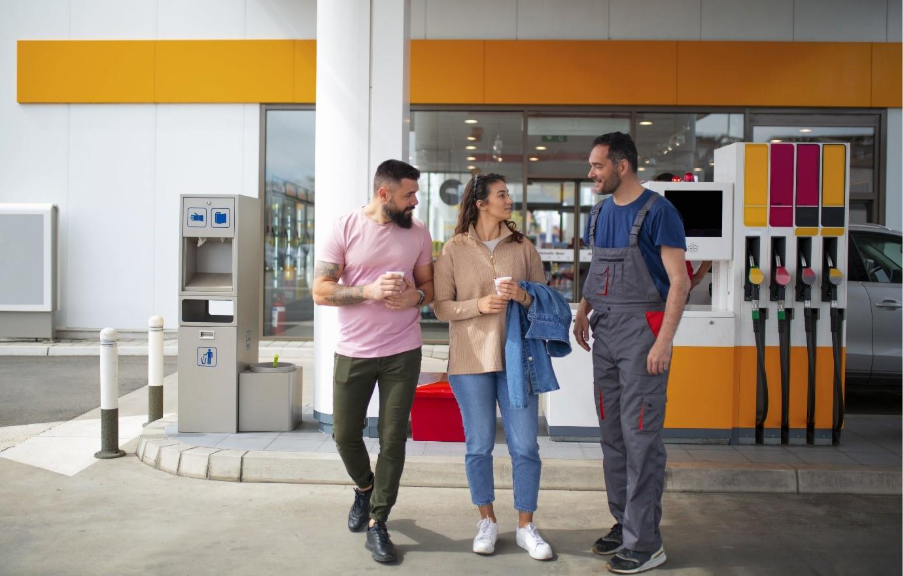
Across Main Streets and highway exits, the local gas station is more than a place to fill a tank; observers like Nick Kambitsis have often pointed out that these sites can quietly become engines of civic good. That shift from purely transactional pit stops to intentional community partners is one of the most human and most practical developments in retail over the last decade. In neighborhoods where nonprofits run on slim margins and volunteer lists ebb and flow, a pump island or a small convenience store can offer space, visibility, and modest resources that multiply into real impact.
Why Gas Stations Matter to Communities
Gas stations occupy a strange and valuable intersection: high foot traffic, long hours, and deep local visibility. Drivers pass through at dawn and dusk, delivery trucks stop for quick breaks, and regular customers develop relationships with attendants. That steady human presence turns stations into reliable fixtures, and that reliability is precisely what community groups need most. A consistent drop-off point for donations, a visible billboard for a local fundraiser, or a weekly cash-roundup at checkout can translate into thousands of meals, dozens of coats, or crucial funds for a neighborhood shelter.
More than that, gas stations often sit at the geographic center of daily life in suburban and rural towns. For residents without easy access to larger civic spaces, the station’s canopy and parking lot become practical public squares. When a station owner decides to host a blood drive, set aside weekend parking for a farmers’ market, or put a donation bin by the door, they’re not only giving, they’re normalizing charity as part of routine life.
Ways Stations Can Support Local Causes
Practicality is an asset. Here are common, high-impact actions a gas station can take without disrupting its core business:
- Donation drives and collection points: A secure bin in the store’s entry for canned goods, winter coats, or school supplies creates a continuous, low-friction way for patrons to give.
- Round-up programs at the pump or point-of-sale: Asking customers to round their purchase to the nearest dollar and donating the difference to a vetted local charity creates steady micro-donations that add up quickly.
- Hosting events: Stations with extra lot space can host weekend blood drives, community bike clinics, or vaccination pop-up events that bring neighbors together and solve logistical problems for nonprofits.
- Partnerships with schools and youth programs: Simple sponsorships of field trips, trophies, or safety supplies demonstrate long-term commitment and build goodwill among families who are regular customers.
- In-kind support for first responders and essential workers: Fuel vouchers, emergency-hours breakfasts for staff, or priority lines for volunteers during crises are tangible, immediate acts of support.
- Employee volunteering and training: Encouraging staff to volunteer during paid time off builds community ties and reinforces the station’s role beyond retail.
Each of these approaches keeps the station’s footprint small while amplifying local capacity.
Business Benefits and How to Do It Right
Supporting causes isn’t just altruism; it’s responsible business. Communities reward visible contributors with loyalty, repeat patronage, and positive word-of-mouth. Employees who see their employer supporting causes they care about report higher morale and lower turnover. And when charitable efforts are transparently managed, they can even enhance a station’s reputation for integrity, an important currency in local markets.
To make charitable programs effective and defensible, station owners should follow a few practical steps:
- Choose causes strategically: Align with organizations whose work intersects with community needs food insecurity, youth services, and disaster response, rather than scattering resources across unrelated projects.
- Set measurable goals: Track donations, volunteer hours, and event attendance. Measuring impact builds credibility and helps plan future activities.
- Maintain transparent accounting: If you collect money on behalf of an organization, issue regular reports and receipts. Customers and regulators expect clarity.
- Train staff: Frontline employees should be able to explain the program, handle donations safely, and redirect inquiries to the right partner organizations.
- Communicate consistently: Use signage, social media, and receipts to tell the story of what the station is doing and why it matters.
Avoiding the Pitfalls: Sincerity, Legality, and Logistics
Community support can go wrong when it’s done casually or for PR optics alone. “Cause-washing,” where promotional claims outpace real contributions, erodes trust fast. Owners should avoid headline-seeking gestures that aren’t backed by measurable results or ongoing commitment.
Legal and logistical pitfalls must also be considered. Collecting cash or goods carries liability and requires secure handling procedures; partnering with registered nonprofits for tax-deductible contributions helps keep everything above board. Local ordinances may govern parking lot use or signage; check with municipal offices before launching events that use the forecourt. Finally, consider the optics: prioritize dignity for beneficiaries. Donation bins should be secure and discreet; events should respect privacy and avoid turning recipients into spectacles.
Measuring Impact and Sharing the Story
One of the most underused tools in a gas station’s civic kit is simple storytelling. Customers give when they see results. A monthly ledger on the community board that shows pounds of food collected, dollars raised, or volunteer hours logged is both motivating and verifiable. Short social posts that spotlight a partnering nonprofit, with photos from a volunteer day (with consent), convert abstract goodwill into a narrative people can follow.
Impact measurement doesn’t need to be formal. A logbook, a spreadsheet, and quarterly meetings with partner organizations can produce enough data to refine programs and demonstrate value. Over time, those small records build a reputation: a station that reliably raises 1,000 canned goods each winter becomes known as a community pillar.
Small Actions, Big Trust
Gas stations are often misunderstood civic assets, easy to overlook because their primary business is fuel. But when owners treat their sites as part of the civic fabric, they unlock impact far beyond the pump. Small, consistent practices, donation bins, round-up programs, local partnerships, and thoughtful event hosting transform a corner business into a community cornerstone.
Ultimately, supporting local causes is less about grand gestures and more about a dependable presence. Communities don’t need one-time publicity stunts; they need places that say, week after week, “we’re here with you.” When a station adopts that mindset, it not only helps neighbors in tangible ways it also earns the kind of trust that sustains a business for generations.