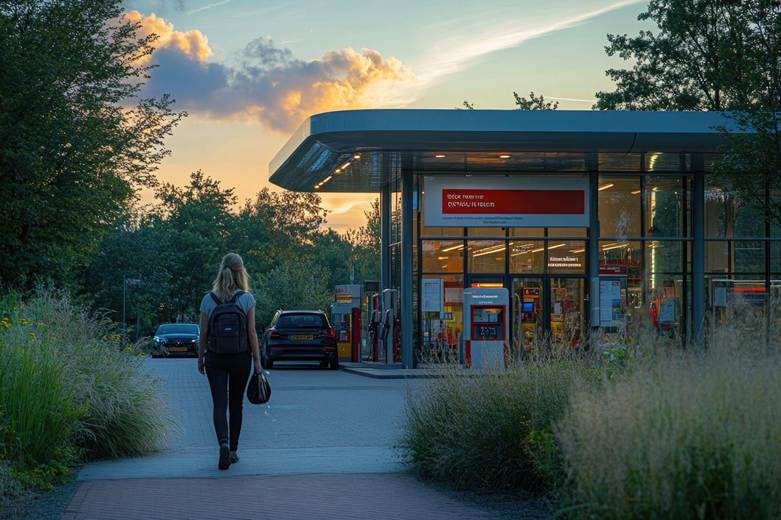
Strong businesses rarely succeed in isolation. Nick Kambitsis explores how partnerships between gas stations and local businesses can create shared value by strengthening community connections, expanding customer reach, and supporting economic growth. As convenience retail continues to evolve, collaboration offers fuel retailers an opportunity to become more than places to refuel; it allows them to become active participants in the communities they serve.
Gas stations occupy a unique position within local neighborhoods and along major travel routes. Thousands of customers visit these locations every day, creating opportunities to introduce them to nearby businesses, local products, and community initiatives. By building strategic partnerships, fuel retailers can enhance the customer experience while contributing to the success of surrounding businesses.
Why Local Partnerships Matter
Consumers increasingly appreciate businesses that invest in their local communities. Partnerships allow organizations to combine resources, reach new audiences, and create experiences that benefit customers while strengthening regional economies.
Working together can help businesses:
- Expand brand visibility
- Reach new customer segments
- Increase foot traffic
- Share marketing opportunities
- Support local economic development
Rather than competing independently, complementary businesses often achieve stronger results through collaboration.
Cross-Promotions Create Value for Customers
One of the simplest ways businesses can work together is through cross-promotional campaigns.
Examples include:
- Discounts with nearby restaurants after a fuel purchase
- Coffee promotions with local cafés
- Coupons for neighborhood retailers
- Seasonal shopping campaigns
- Joint loyalty rewards
These promotions encourage customers to explore multiple local businesses while increasing exposure for each participating organization.
Showcasing Local Products
Convenience stores often have opportunities to feature products from nearby producers and small businesses.
Local offerings may include:
- Specialty snacks
- Fresh baked goods
- Locally roasted coffee
- Regional beverages
- Seasonal food products
Featuring local products introduces customers to businesses they may not otherwise discover while giving retailers unique inventory that reflects their community.
Supporting Community Events
Gas stations can play an active role in community life by partnering with local organizations during public events and charitable initiatives.
Examples include supporting:
- Farmers’ markets
- School fundraisers
- Charity drives
- Community festivals
- Holiday celebrations
- Local sports events
Participating in these activities demonstrates a commitment to the community while helping strengthen relationships with residents and local organizations.
Shared Marketing Expands Reach
Collaborative marketing allows businesses to achieve greater visibility without significantly increasing advertising costs.
Partnerships may involve:
- Joint social media campaigns
- Shared email promotions
- Community newsletters
- Event sponsorships
- Co-branded advertising
By combining audiences, businesses can introduce their products and services to new customers while reinforcing one another’s local presence.
Building Long-Term Customer Loyalty
Customers often remember businesses that actively contribute to the communities they serve. Local partnerships help create positive experiences that extend beyond individual transactions.
When customers see businesses working together to support their neighborhoods, they may be more likely to:
- Return regularly
- Recommend businesses to others
- Participate in community events
- Develop stronger brand loyalty
These relationships create lasting value that extends beyond short-term promotional campaigns.
Collaboration Encourages Innovation
Working with businesses from different industries often generates new ideas and opportunities.
Partnerships may inspire:
- New product offerings
- Seasonal promotions
- Community education events
- Customer appreciation programs
- Creative retail experiences
Collaboration encourages businesses to think beyond traditional operating models while remaining responsive to local needs.
Choosing the Right Partners
Successful partnerships begin with organizations that share similar values and customer service standards.
Retailers should consider:
- Community reputation
- Complementary products or services
- Shared commitment to customer satisfaction
- Long-term compatibility
- Mutual business goals
Selecting partners thoughtfully helps ensure that collaborations create meaningful value for everyone involved.
Businesses that share similar standards for customer service, professionalism, and community engagement are more likely to deliver consistent experiences that strengthen consumer trust.
When partnerships are built around complementary strengths and mutual goals, they can generate long-term benefits that extend beyond individual promotions, providing customers with greater convenience, more relevant offerings, and a stronger connection to the local community while supporting sustainable growth for both organizations.
The Future of Community-Focused Retail
As convenience retail continues evolving, community engagement is likely to become an even greater competitive advantage.
Future partnerships may involve:
- Digital local marketplaces
- Community rewards programs
- Collaborative mobile promotions
- Local delivery partnerships
- Sustainability initiatives
- Regional business networks
Retailers that actively participate in their communities will be better positioned to build trust while adapting to changing customer expectations.
Conclusion
Gas stations have the opportunity to become more than convenient stops along a journey. By partnering with local businesses, supporting community initiatives, and creating shared opportunities for growth, fuel retailers can strengthen customer relationships while contributing to healthier local economies.
As convenience retail continues to evolve, collaboration will remain an important strategy for creating value that benefits businesses, customers, and the communities they serve.