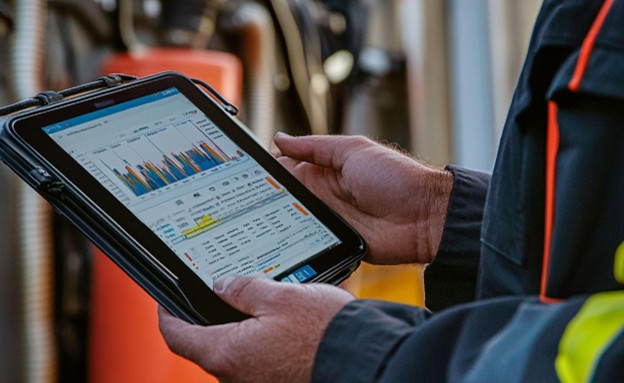
Technology is changing nearly every aspect of retail operations, and Nicholas Kambitsis explains that predictive analytics is becoming an increasingly valuable tool for helping fuel retailers make smarter decisions about inventory, merchandising, and operational planning. Rather than relying solely on historical sales reports, today’s operators can use data-driven insights to better anticipate customer demand, improve efficiency, and create a more consistent shopping experience.
As convenience stores continue expanding their product offerings beyond traditional fuel purchases, accurately forecasting customer needs has become more important than ever. Predictive analytics provides retailers with the ability to recognize patterns, anticipate changes in purchasing behavior, and allocate resources more effectively before demand shifts occur.
What Is Predictive Analytics?
Predictive analytics involves using historical information, current trends, and statistical modeling to estimate future outcomes.
Within the fuel and convenience retail industry, predictive analytics may help businesses better understand:
- Customer purchasing habits
- Seasonal demand
- Product performance
- Inventory movement
- Fuel consumption trends
- Operational efficiency
Rather than simply reacting to past sales, retailers can begin preparing for future customer needs with greater confidence.
Why Traditional Planning Has Limitations
For many years, merchandise planning depended largely on historical sales reports and management experience.
While those tools remain valuable, today’s retail environment changes much more quickly.
Businesses now face variables such as the following:
- Changing travel patterns
- Weather fluctuations
- Local events
- Supply chain disruptions
- Consumer preferences
- Economic conditions
Because these factors shift regularly, relying exclusively on historical performance may not always produce the most effective inventory decisions.
Improving Inventory Accuracy
One of the greatest advantages of predictive analytics is improving inventory management.
Retailers strive to maintain enough products to satisfy customers while avoiding unnecessary overstock.
Predictive planning may help reduce:
- Out-of-stock situations
- Excess inventory
- Product waste
- Emergency replenishment orders
- Storage inefficiencies
Better inventory decisions support both customer satisfaction and operational efficiency.
Understanding Customer Purchasing Patterns
Convenience store customers rarely purchase the same items every day of the year.
Purchasing behavior often changes based on:
- Time of day
- Day of the week
- Holidays
- School schedules
- Weather conditions
- Seasonal travel
Predictive analytics helps retailers recognize these recurring patterns.
Instead of waiting for trends to become obvious, operators can prepare in advance by adjusting product availability to better match anticipated demand.
Supporting Better Fuel Planning
Fuel demand also experiences predictable fluctuations.
Factors influencing fuel sales may include:
- Holiday travel
- Regional events
- Seasonal tourism
- Commuting patterns
- Weather forecasts
By analyzing historical and real-time information together, retailers can better anticipate changes in demand and coordinate supply more effectively.
This approach supports smoother operations while helping minimize unexpected shortages.
Smarter Merchandise Decisions
Convenience stores have evolved far beyond offering basic snacks and beverages.
Today’s customers often expect the following:
- Fresh food
- Grab-and-go meals
- Premium beverages
- Health-conscious options
- Household essentials
Managing this broader inventory requires greater visibility into purchasing trends.
Predictive analytics can help retailers determine which products perform best under different conditions, allowing merchandise selections to evolve alongside customer preferences.
Reducing Waste Through Better Forecasting
Product waste remains a significant operational challenge, particularly for fresh food programs.
Accurate forecasting can help businesses better estimate demand for:
- Prepared meals
- Fresh beverages
- Bakery products
- Refrigerated foods
By ordering more accurately, retailers may reduce unnecessary waste while continuing to provide customers with appealing product selections.
This benefits both operational efficiency and sustainability efforts.
Helping Employees Work More Efficiently
Predictive insights support more than inventory planning.
They may also assist managers with operational decisions involving:
- Staffing schedules
- Delivery timing
- Product replenishment
- Promotional planning
When managers have greater visibility into expected customer traffic and purchasing behavior, they can allocate resources more effectively throughout the day.
Strengthening Supplier Relationships
Accurate forecasting benefits suppliers as well as retailers.
Improved demand planning helps suppliers
- Schedule deliveries more efficiently
- Maintain inventory levels
- Reduce transportation challenges
- Improve product availability
Stronger collaboration between retailers and suppliers often contributes to a more reliable supply chain for everyone involved.
Why Data Still Requires Human Judgment
Although predictive analytics offers valuable insights, successful retail operations continue to rely on experienced leadership.
Data identifies patterns, but experienced operators still evaluate the following:
- Local market conditions
- Community preferences
- Customer relationships
- Business objectives
Technology works best when it supports informed decision-making rather than replacing it entirely.
The combination of analytical tools and operational experience often produces the strongest results.
Preparing for a More Data-Driven Industry
As retail technology continues evolving, predictive analytics is becoming more accessible to businesses of all sizes.
Future applications may include:
- Real-time inventory optimization
- Personalized promotions
- Dynamic product recommendations
- Improved demand forecasting
- Enhanced operational reporting
Retailers that embrace data-informed planning will likely have greater flexibility as customer expectations continue changing.
Looking Beyond the Numbers
While predictive analytics focuses on data, its ultimate purpose remains serving customers more effectively.
Better forecasting can contribute to:
- Improved product availability
- Faster service
- More consistent shopping experiences
- Better inventory management
- Stronger operational performance
Customers may never notice the technology behind these improvements, but they often recognize the benefits through smoother and more reliable service.
Final Thoughts
Predictive analytics is transforming how fuel retailers plan inventory, manage operations, and anticipate customer demand. By combining historical information with current trends, businesses can make more informed decisions about fuel supply, merchandise selection, staffing, and overall operations.
As convenience retail continues to become increasingly competitive, thoughtful use of predictive analytics can help operators improve efficiency while delivering a better customer experience. Rather than simply reacting to changing conditions, retailers have an opportunity to prepare for them, creating stronger operations that are better positioned for long-term success.