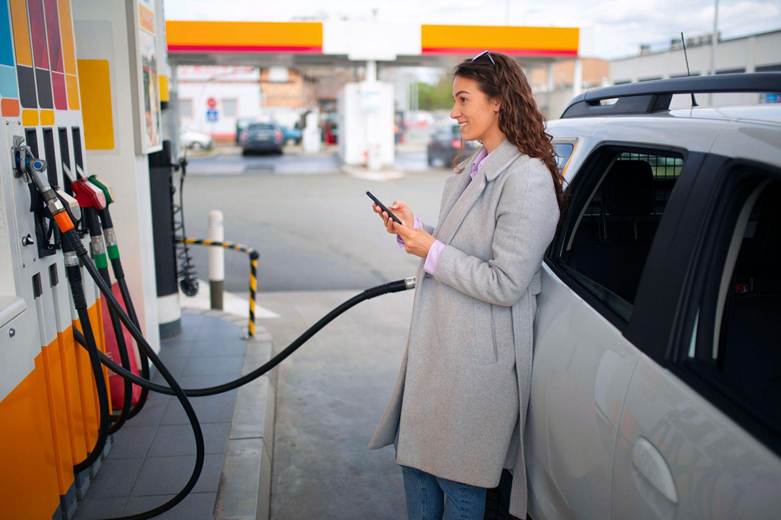
As fuel retail becomes more competitive, Nicholas Kambitsis explores how customer expectations are reshaping loyalty programs. Traditional punch cards and generic rewards are giving way to personalized digital experiences powered by mobile technology, customer insights, and tailored incentives. As retailers look to strengthen long-term customer relationships, personalization is becoming a defining feature of successful loyalty strategies while creating greater value for both businesses and consumers.
Fuel retailers have long recognized that loyalty programs encourage repeat visits. However, today’s customers expect more than discounts at the pump. They increasingly value convenience, relevant offers, seamless digital experiences, and rewards that reflect their individual purchasing habits.
This shift is encouraging retailers to rethink loyalty programs as comprehensive customer engagement platforms rather than simple discount initiatives.
Why Customer Expectations Have Changed
Consumers interact with personalized experiences across many industries, from online shopping and entertainment to travel and financial services. These experiences have shaped expectations for convenience and relevance.
Today’s customers increasingly appreciate loyalty programs that offer:
- Personalized promotions
- Mobile accessibility
- Flexible redemption options
- Digital payment integration
- Real-time rewards tracking
- Convenient account management
Providing these features helps create experiences that feel more valuable than one-size-fits-all rewards.
Moving Beyond Fuel Discounts
Fuel savings remain an important benefit, but modern loyalty programs often extend well beyond gasoline purchases.
Retailers may reward customers for:
- Convenience store purchases
- Fresh food and beverages
- Car wash services
- Seasonal promotions
- Partner offers
- Frequent visits
Expanding rewards across multiple services encourages customers to engage with the entire business rather than focusing only on fuel purchases.
The Growing Role of Mobile Technology
Smartphones have become central to the customer experience across retail industries, and fuel retailers are increasingly integrating loyalty programs into mobile applications.
Mobile platforms allow customers to:
- Track rewards instantly
- Activate personalized offers
- Locate participating locations
- Receive digital receipts
- Redeem promotions quickly
- Manage payment methods
These capabilities simplify the customer experience while providing retailers with additional opportunities to communicate relevant offers.
Personalization Creates More Meaningful Engagement
Personalization allows loyalty programs to reflect each customer’s preferences rather than delivering identical promotions to everyone.
By analyzing purchasing patterns, retailers can provide offers based on factors such as:
- Visit frequency
- Preferred products
- Seasonal buying habits
- Store location
- Fuel purchasing behavior
When rewards align with individual interests, customers often perceive greater value and are more likely to continue participating in the program.
Data Helps Retailers Better Understand Customers
Loyalty programs generate valuable insights that help retailers make more informed business decisions.
Aggregated customer information may help businesses:
- Identify purchasing trends
- Improve inventory planning
- Evaluate promotional effectiveness
- Understand peak shopping periods
- Refine product selections
These insights support better operational planning while helping retailers respond more effectively to changing customer preferences.
Integrating Digital Payments and Rewards
Customers increasingly expect convenience throughout every transaction. Integrating loyalty programs with digital payment systems creates a smoother purchasing experience.
Integrated systems may allow customers to:
- Earn rewards automatically
- Redeem points during checkout
- Pay through mobile wallets
- Access digital promotions instantly
Reducing the number of steps required during transactions encourages greater participation while improving overall convenience.
Building Long-Term Customer Relationships
Effective loyalty programs focus on more than encouraging the next visit. Their broader goal is to build lasting relationships based on consistent value and positive experiences.
Successful programs often emphasize:
- Reliability
- Personalized communication
- Relevant rewards
- Consistent service
- Customer appreciation
When customers feel recognized and valued, they are more likely to develop stronger connections with a brand over time.
Preparing for Future Innovation
Loyalty programs will likely continue evolving alongside advances in technology and consumer expectations.
Future developments may include:
- Artificial intelligence–driven recommendations
- More advanced personalization
- Enhanced mobile functionality
- Contactless reward redemption
- Integration with connected vehicles
- Expanded partnerships with other retailers
Retailers that remain adaptable will be better positioned to meet changing customer expectations while continuing to strengthen loyalty.
Balancing Technology with Customer Experience
Technology supports personalization, but lasting loyalty still depends on the overall customer experience. Clean facilities, friendly service, efficient operations, and consistent product quality remain essential components of customer retention.
Digital tools should complement these fundamentals by making interactions easier, more convenient, and more relevant rather than replacing the human elements that build trust.
Conclusion
Fuel loyalty programs have evolved far beyond simple discounts. Through personalization, mobile integration, and data-informed customer engagement, retailers have new opportunities to strengthen relationships while delivering experiences that better reflect individual customer preferences.
As technology continues advancing, the future of customer retention will depend on combining innovative digital capabilities with reliable service, operational excellence, and a genuine commitment to meeting customers’ changing needs.